The World by Siege
  • Home
  • Travel Guide
  • Epic Tales
  • Natural Wonders
  • About
  • Home
  • Travel Guide
  • Epic Tales
  • Natural Wonders
  • About

The World by "Siege"

Places to Go &
​Things to Do​

A Walk Around Rome

12/30/2025

0 Comments

 
Picture
Follow me on an exciting exploration into one of the most important cities responsible for the development of western civilization   . . . 
When thinking back on the ancient stories of human accomplishment, this is one of those places that tends to stand out. I spent five days in Italy's capital, and here is what happened:

Follow Me as We Step into the Pages of History


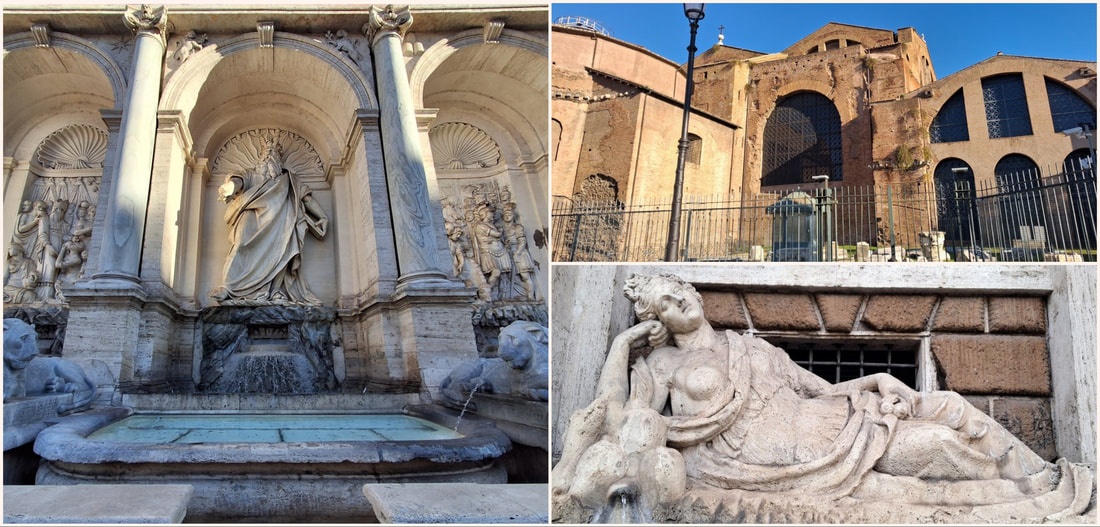
​It was still morning when I rolled off the train into Termini Station. I knew it would be too early for hotel check in, so strapped with my backpack I went ahead and hit the town. One of the first sights I encountered was the Fountain of Moses. The area around the train station is actually packed with all kinds of these hidden gems. 
Picture
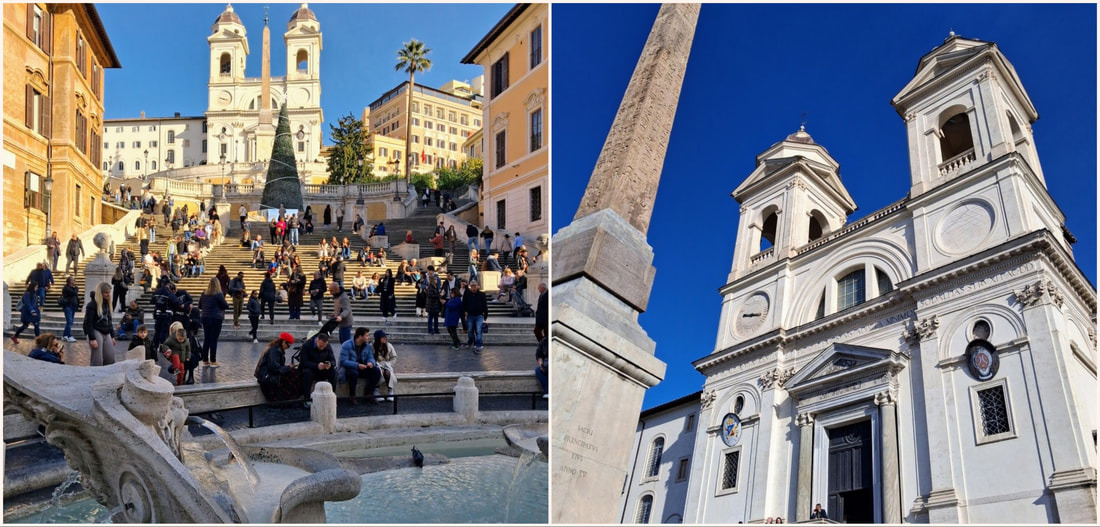
After a bit of local exploration, I checked into Hotel Sonya. It was still a bit early, but they were happy to help me out. Now after storing my things away, I could finally take off wide open into these historic streets. ​I immediately headed north to the Spanish Steps. They get that name from the Spanish embassy that was once located nearby. That church up top is the Trinita dei Monti which was founded by the French in 1502.
Picture
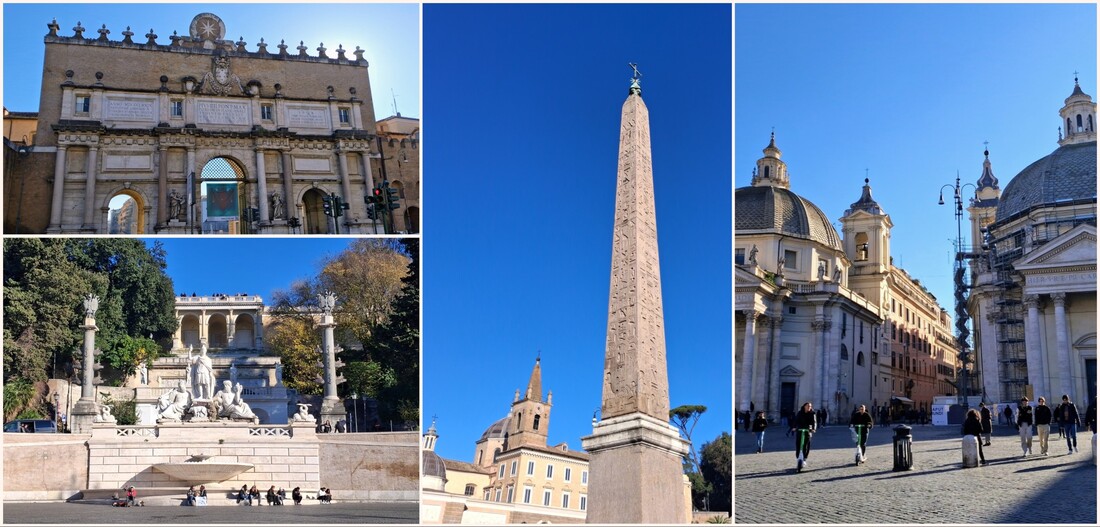
From here it is not too far of a walk to Piazza del Popolo. The large renaissance gate that you see here was at one time the northern entrance to the city. Inside you will notice a large obelisk standing tall. This thing is actually from Egypt, as Romans once brought these things back home as trophies of conquest. They would later be topped with a cross to symbolize modern dominance over the past. 
Picture
Piazza del Popolo
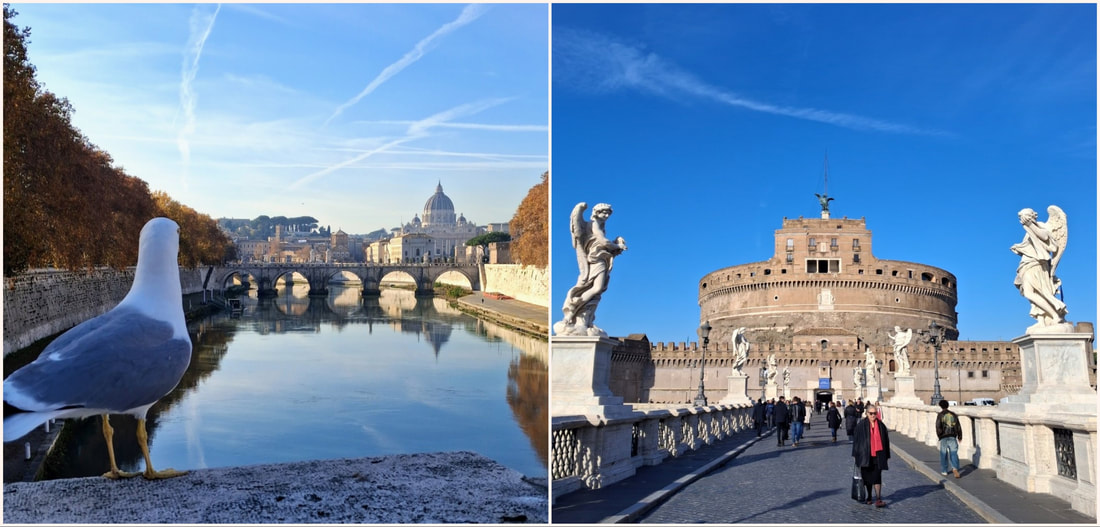
While walking around Rome, you may notice the Tiber River cutting through the city's landscape with series of bridges reaching across to the other side. The one bridge you really need to see is decorated with statues and leads up to Castel Sant Angelo. This mighty fortress was constructed by Hadrian in the second century AD. From here it is just a short walk to Vatican City. 
Picture
Crossing the Tiber
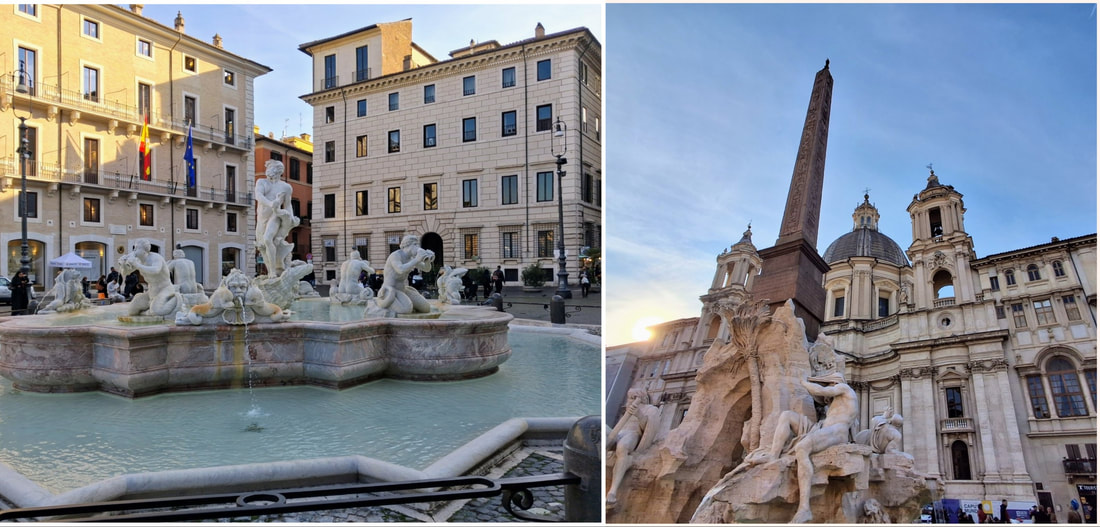
Here we now find ourselves in Piazza Navona. Here you will see three decorative fountain, and you cant help but notice one being built around another large obelisk. Just behind that we have a view of the seventeenth century Church of St Angese. 
Picture
Piazza Navona
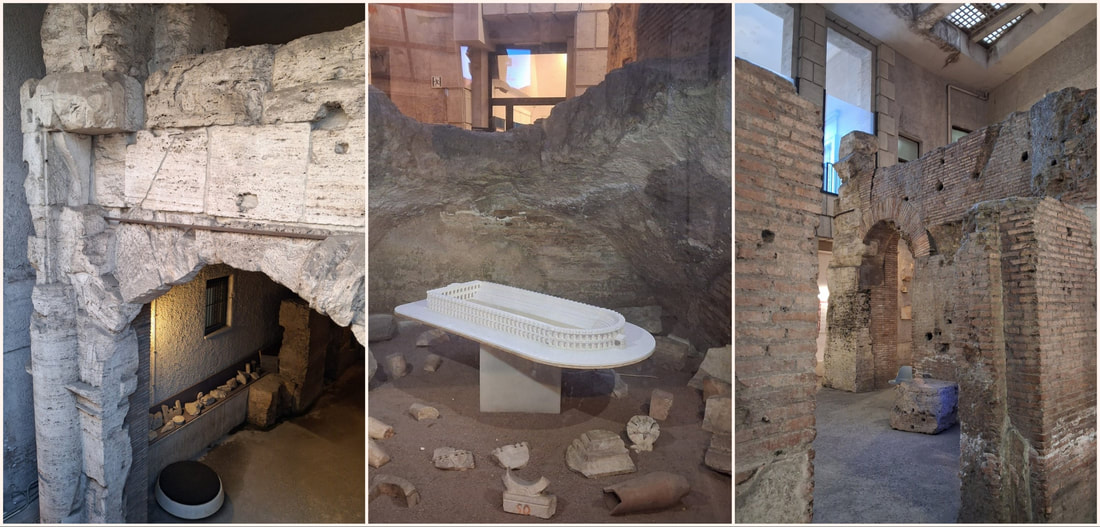
In the northern section of this area you may find the ruins of a stadium that once stood here known as the ​Stadio di Domiziano. This thing was founded in the year 86 to serve as venue for athletic competitions, though it is said it did host some gladiator events during a time when the Colosseum was under repair.​
Picture
Stadium of Domitian
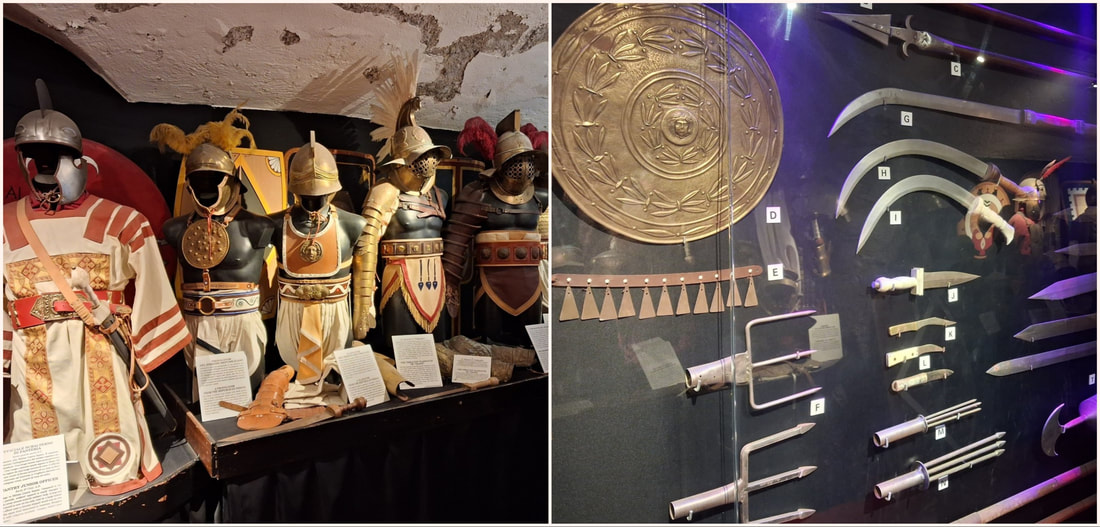
Look closely enough in Piazza Navona and there is actually a museum beneath a gift shop that is dedicated to those gladiators. While the museum is technically free, the gift shop above does ask for a small donation. Lots of interesting items are on display in here, so I found it to be totally worth it. ​
Picture
Gladiator Museum
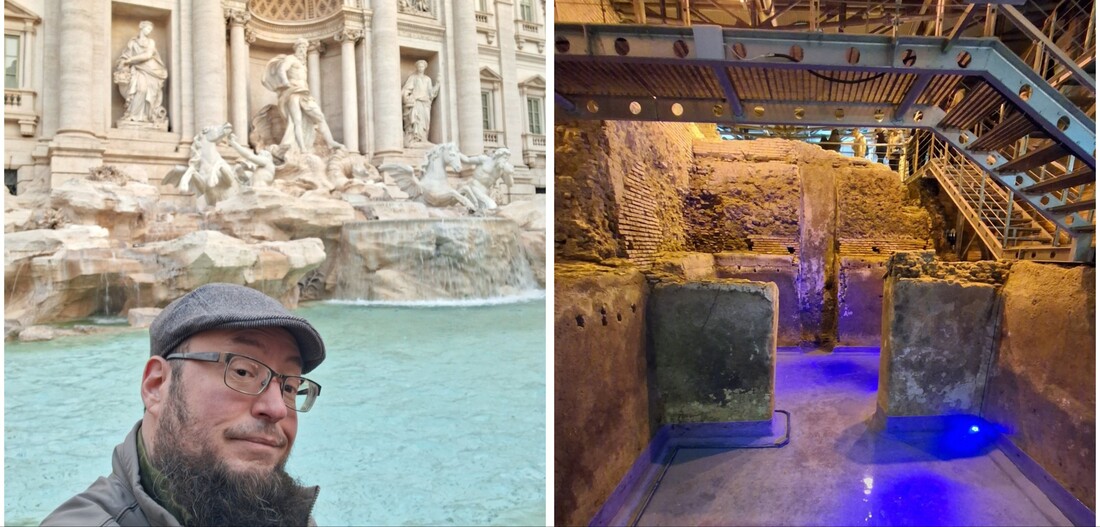
The Trevi Fountain is something that most world travelers have heard of. It is that place where you can toss in a coin to insure your return to Rome. But something you may not know is that you can take a tour down below to see the ancient water source that provides for it and also learn a bit more about the history of the area. 
Picture
Trevi Fountain
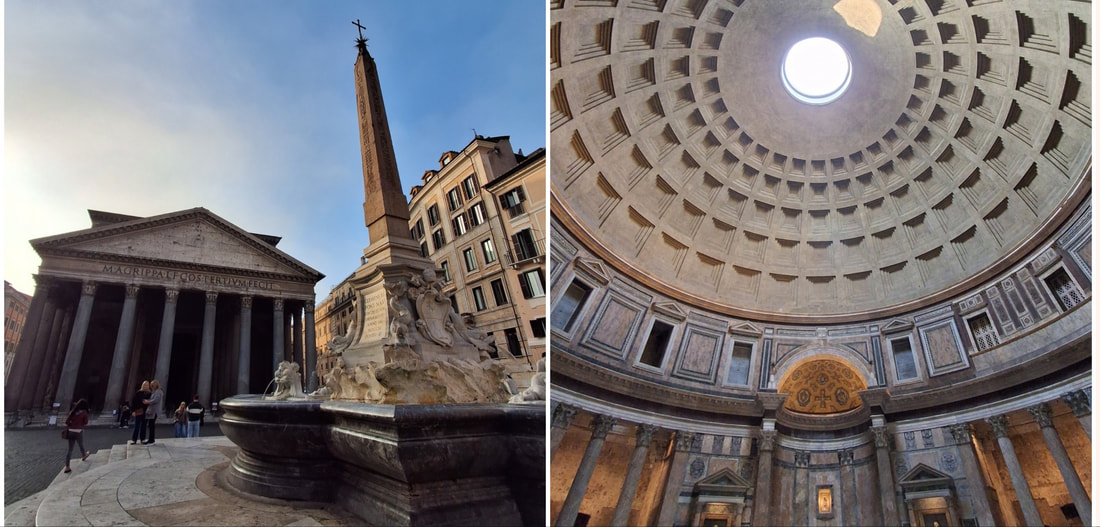
Another landmark that you are sure to have heard of is the Pantheon. This nearly 2,000 year old Roman temple now serves as a Catholic church that does hold services. The interior is beyond amazing. The oculus up top in the center of the dome not only acts as a light source, but also is said to represent the connection between heaven and earth. ​
Picture
The Pantheon
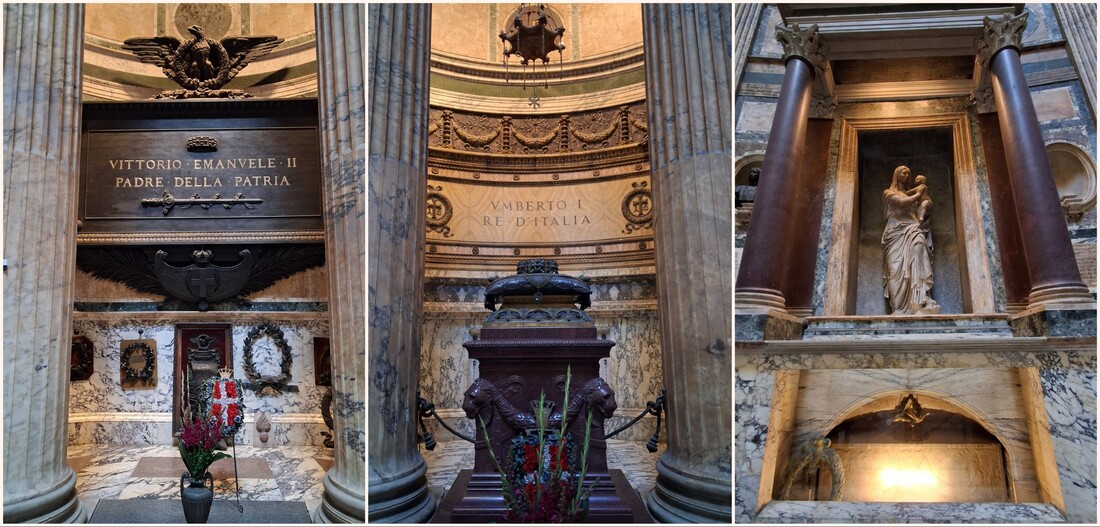
The interior of this place is absolutely amazing, but something else interesting in here is that inside you will find the tombs of some notable people such as the first King of Italy, Queen Margherita, and the well known renaissance artist Raphael. ​
Picture
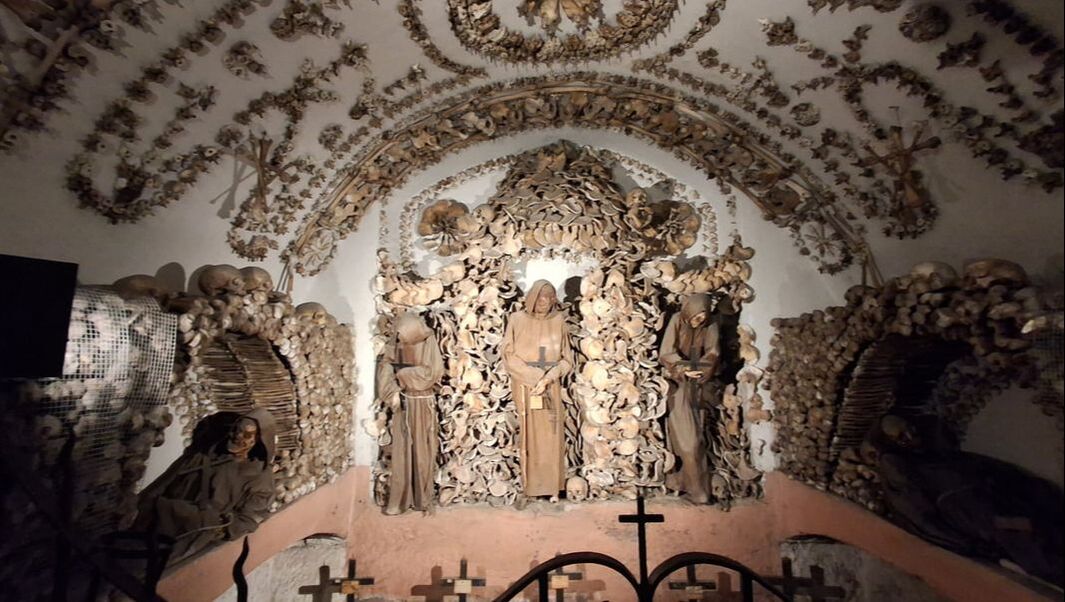
Now if you are in for something a bit macabre, let' stake a look at the Crypt of the Capuchin Friars located at the Church of Santa Maria della Conzeione. Inside the bones of a few thousand faithful servants are on display, as well as some that seem to be fully intact. While this place is not for the faint of heart, it is something definitely worth seeking out. 
Picture
Crypt of the Capuchin Friars
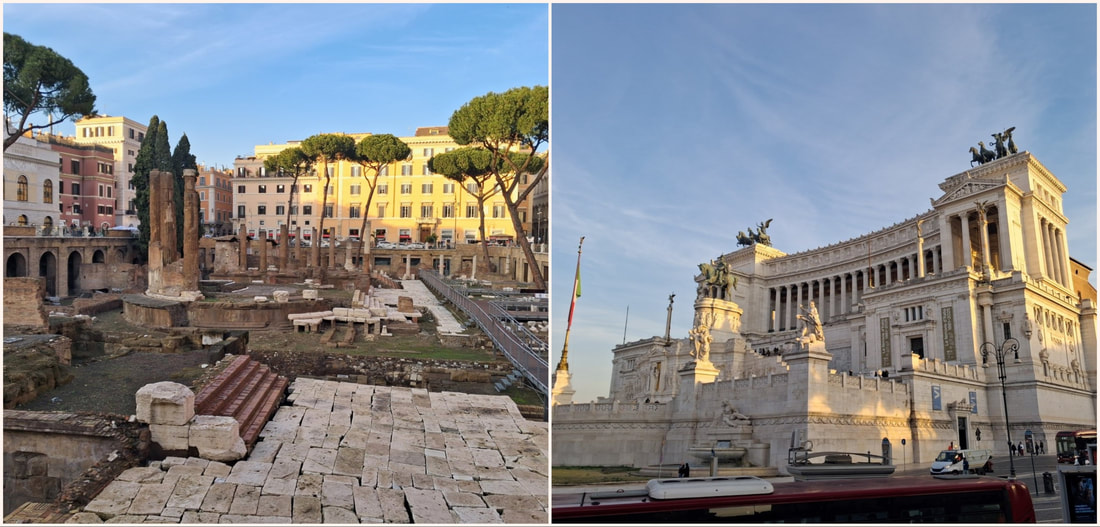
Search around in the center of town and you may notice a group of ruins that date back to sometime around 400 to 100 BC. This is the Largo di Torre Argentina, and it is said that the Curia de Pomeo is the location where Julius Caesar was assassinated. Not far from here we see a more modern structure that seems to be totally enormous. This is called the Altar of the Fatherland. It is a national monument dedicated to Victor Emanuel II who was the first king of a unified Italy.
Picture
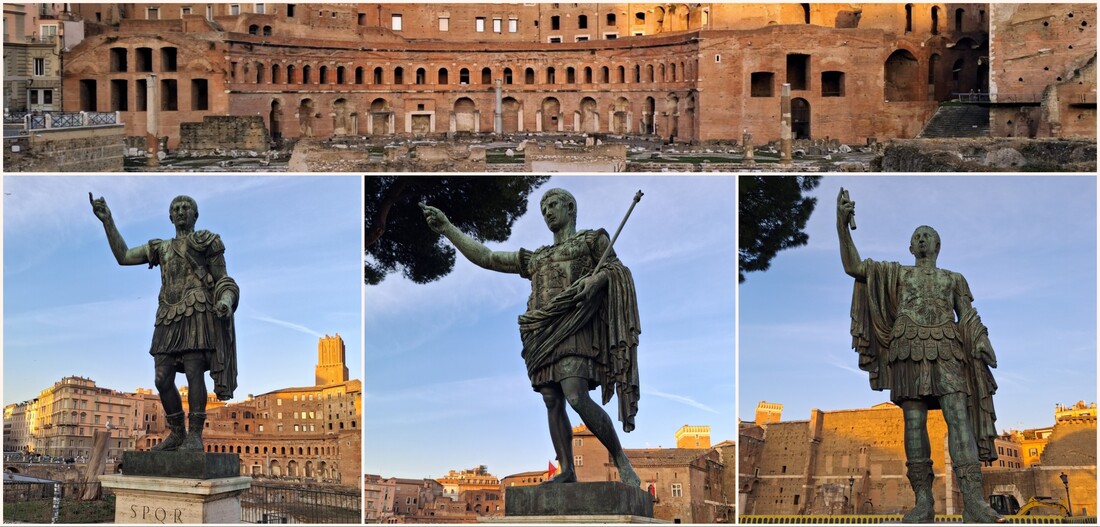
Just around the corner we find ourselves passing by the ruins of Trajan's Forum. This place was constructed in the first century to act as the heart of town complete with libraries and government buildings. Nowadays this historic promenade is lined with bronze statues of figures like Julius, Augustus, and Trajan himself. 
Picture
Trajan's Forum
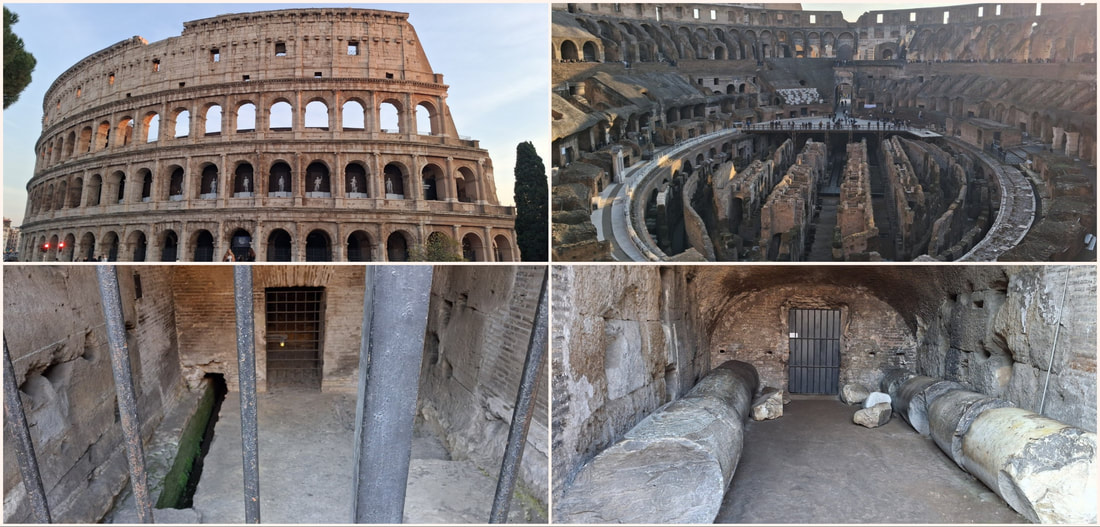
One of the things you surely want to explore while in Rome is that massive Colosseum. This grand amphitheater was built in the first century during the Flavian Dynasty. Down below you can see the staging are where animals would be kept waiting to be released into the action. Back in the day this would have been covered with a wooden floor and topped with sand to create a larger battlefield for the gladiators. 
Picture
Flavian Amphitheater
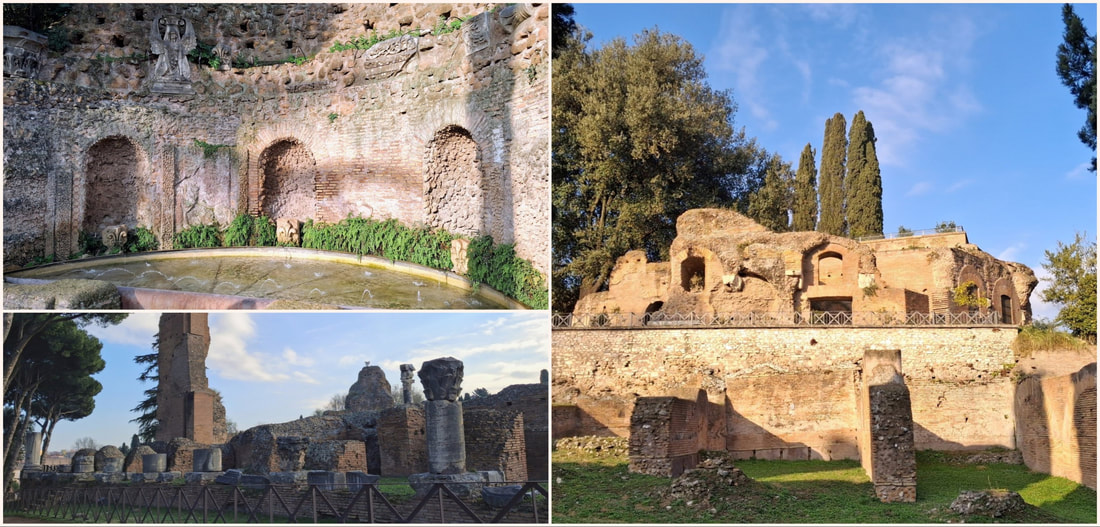
It is now time for a walk up Palatine Hill which is considered to be the birthplace of Rome. Here you will find a series of pathways surrounded by palace ruins of former emperors such as Augustus and Tiberius. From the top you get a great view of the forum down below.  
Picture
Palatine Hill
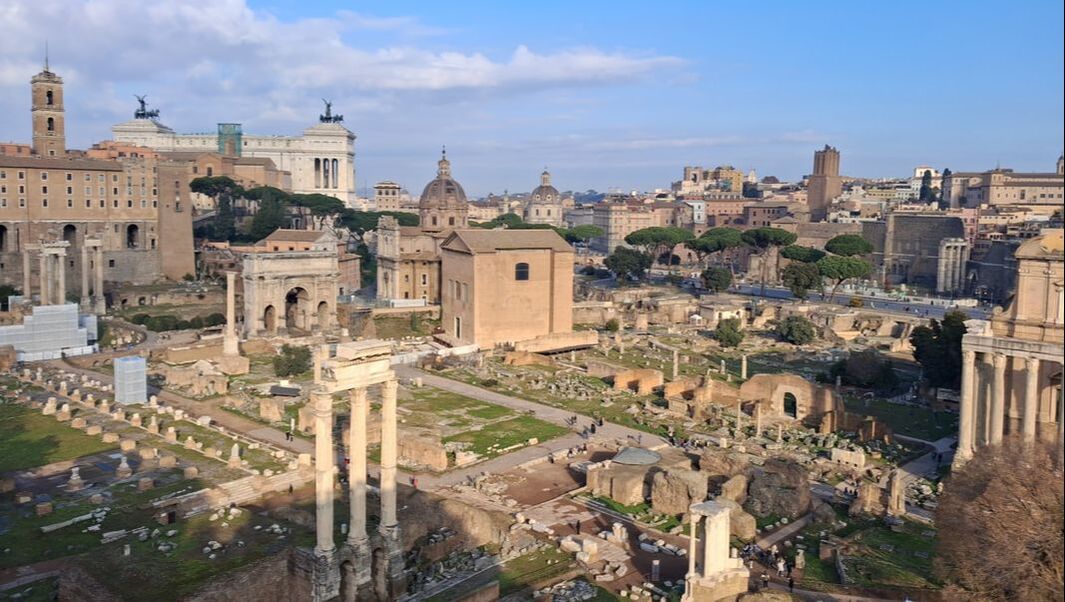
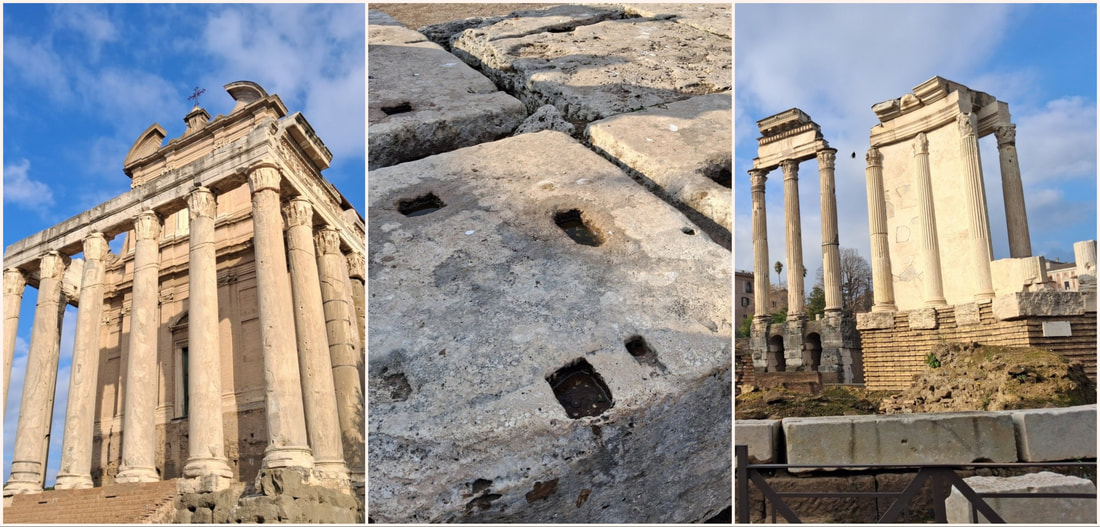
The Roman Forum covers quite a bit of ground. It is somewhat overwhelming, but there are countless interesting sights throughout. Here you will see the Temple of Antonius and Faustina that was constructed by Emperor Antonius and dedicated to his deceased wife. Just across from it is the Temple of Vesta, This shrine was built on a circular platform and was surrounded by twenty columns. Inside the Holy Flame of Rome was tended by the Vestal Virgins. Something you really need to see in this area is a marble slab. This is said to mar the location of the funeral pyre for Julius Caesar. Take a look around the nearby stone wall, and you can see the resting place of his ashes. 
Picture
The Roman Forum
If you enjoyed reading this, be sure to check it out on YouTube as well. In this video I will also give you a look at all the amazing food that Rome has to offer. 
Thanks for visiting, and feel free to leave a comment down below.
0 Comments

Your comment will be posted after it is approved.


Leave a Reply.

    Author :

    Chris J. Baxter "Siege" is an experienced world traveler with a B.A. in Anthropology, a background in  healthcare, and an unquenchable thirst for adventure.

    Picture

    You can search for other interesting locations below!
This website is for informational purposes only.
Copyright ©2020 - 2025 The World by "Siege", All Rights Reserved 
Site powered by Weebly. Managed by Hostgator